


Page 32 - Jacobello del Fiore - His Oeuvre and a Sumptuous Crucifixion
P. 32
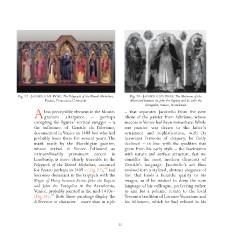
Fig. 23 - JACOBELLO DEL FIORE: The Polyptych of the Blessed Michelina,          Fig. 24 - JACOBELLO DEL FIORE: The Madonna of the
                    Pesaro, Pinacoteca Comunale                                 Misericord between St. John the Baptist and St. John the

   Aless perceptible element in the Monte-                                                 Evangelist, Venice, Accademia
               granaro altarpiece – perhaps
         excepting the figures’ vertical swagger – is                       – that separates Jacobello from the new
         the influence of Gentile da Fabriano,                              idiom of the painter from Fabriano, whose
         documented in Venice in 1408 but who had                           success inVenice had been immediate.While
         probably been there for several years. The                         our painter was drawn to the latter’s
         mark made by the Marchigian painter,                               ornament and sophistication, with its
         whose arrival in Venice followed an                                luxuriant festoons of drapery, he flatly
         extraordinarily prominent career in                                declined – in line with the qualities that
         Lombardy, is more clearly traceable in the                         grew from his early style – the fascination
         Polyptych of the Blessed Michelina, executed                       with nature and surface structure that we
         for Pesaro perhaps in 1409 - ( Fig. 23),68 and                     consider the most modern elements of
         becomes dominant in the triptych with the                          Gentile’s language. Jacobello’s art thus
         Virgin of Mercy between Saints John the Baptist                    evolved into a stylized, abstract elegance of
         and John the Evangelist in the Accademia,                          line that lends a heraldic quality to his
         Venice, probably painted in the mid-1410s -                        images, as if he wished to deny the new
         ( Fig. 24).69 Both these paintings display the                     language of his colleague, preferring rather
         difference in character – more than in style                       to aim for a polemic return to the local
                                                                            Trecento tradition of LorenzoVeneziano and
                                                                            his followers, which he had refused in his

                                                                        33

