


Page 212 - The mystery of faith
P. 212
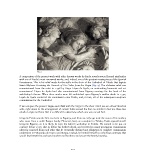
Fig. 4

A comparison of the present work with other known works by Pardo reveals several formal similarities
with one of Pardo’s most renowned works, and, indeed, one of the greatest masterpieces of the Spanish
Renaissance. This is his relief made for the stalls in the choir of the Cathedral of Toledo that depicts
Saint Idlefonso Receiving the Cassock of His Order from the Virgin (Fig. 4). The alabaster relief was
commissioned from the artist in 1548 by Diego López de Ayala, an outstanding humanist and art
connoisseur.3 López de Ayala had also commissioned from Bigarny carvings for the back of the
archbishop’s throne. When these works were left unfinished upon Bigarny’s sudden death in 1542,
Lopéz de Ayala conferred the commission onto Pardo, and, in fact, all of the subsequent sculpture
commissions for the Cathedral.

If we compare the present Virgin and Child with the Virgin in the choir relief, we see almost identical
veils, right down to the arrangement of certain folds around the hair. So similar in fact are these two
reliefs in style and form that it is difficult to determine which one was carved first.

Gregorio Pardo was the first son born to Bigarny, and from an early age took the name of his mother,
who came from a noble Burgos family. However, later, as a sculptor in Toledo, Pardo signed himself
Gregorio Bigarne, so it is likely he kept his father’s workshop in Toledo. He started to be put on
contract before 1537, that is, before his father’s death, and received so many prestigious commissions
often far removed from each other that he eventually declined any obligation to complete commissions
undertaken in Peñaranda de Duero and Burgos. Instead, he limited himself to only those contracts that
would best benefit his widowed mother and brothers and secure the family business.

                                                                 212

