


Page 66 - Joseph Wright of Derby: Virgils's Tomb & The Grand Tour.
P. 66
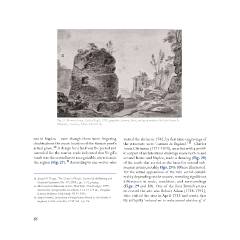
Fig. 31. ROBERT ADAM, Tomb ofVirgil, 1755, graphite, brown, blue, and grey washes. Sir John Soane’s
    Museum, London,Adam vol.57/16.

ors in Naples – even though there were lingering                        visited the shrine in 1742, by that time engravings of
doubts about the exact location of the Roman poet’s                     the structure were ‘common in England.’32 Charles
actual grave.30 A design for a fan from the period and                  Louis Clérisseau (1721-1820), an artist with a prolif-
intended for the tourist trade indicated that Virgil’s                  ic output of architectural drawings made both in and
tomb was the second most recognizable attraction in                     around Rome and Naples, made a drawing (Fig. 28)
the region (Fig. 27).31 According to one writer who                     of the tomb that served as the basis for several sub-
                                                                        sequent prints, notably Figs. 29 & 30 here illustrated.
30. Joseph B.Trapp, ‘The Grave of Vergil,’ Journal of theWarburg and    Yet the actual appearance of the ruin varied consid-
   Courtauld Institutes, No. 47 (1984), pp. 1-31, passim.               erably depending on the source, revealing significant
                                                                        differences in scale, condition, and surroundings
31. Metropolitan Museum of Art, NewYork, ‘Fan Design,’ 1779,            (Figs. 29 and 30). One of the first British artists
   watercolor and gouache on vellum, 11 x 21 3/4 in., irregular         to record the site was Robert Adam (1728-1792),
   (Harris Brisbane Dick Fund, 38.91.104).                              who visited the area in April 1755 and wrote that
                                                                        its antiquity ‘induced me to make several sketches of it’
32. James Russel, Letters from aYoung Painter Abroad to His Friends in
   England, 2 vols., London, 1748,Vol. I, p. 96.

66

