


Page 64 - Joseph Wright of Derby: Virgils's Tomb & The Grand Tour.
P. 64
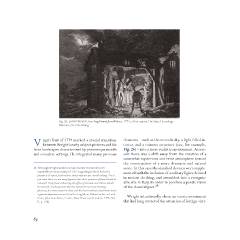
Fig. 26. JOSEPH WRIGHT, Iron ForgeViewed fromWithout, 1773, oil on canvas.The State Hermitage
    Museum, St. Petersburg.

V irgil’s Tomb of 1779 marked a crucial transition                              elements – such as the moonlit sky, a light-filled in-
      betweenWright’s early subject pictures and his                            terior, and a ruinous structure (see, for example,
later landscapes characterized by picturesque motifs                            Fig. 26) – into a more realistic environment.As a re-
and evocative settings. He integrated many previous                             sult there was a shift away from the creation of a
                                                                                somewhat mysterious and eerie atmosphere toward
29. Although Wright would not have known Denis Diderot’s                        the construction of a more dramatic and natural
   unpublished commentary of 1767 regarding Hubert Robert’s                     scene. In this case the standard devices were supple-
   pictures of ruins, his incisive observations are worth citing: ‘Don’t        mented with the inclusion of a solitary figure dressed
   you sense there are too many figures, that three-quarters of them should be  in ancient clothing, and assembled into a recogniz-
   removed? Only those enhancing the effect of solitude and silence should      able site in Italy, in order to produce a poetic vision
   be retained.A solitary man who has wandered into these shadowy               of the classical past.29
   precincts, his arms across his chest and his head inclined, would have made
   a greater impression on me’(cited in English in Diderot on Art, ed. and        Wright intentionally chose an iconic monument
   trans. John Goodman, 2 vols., New Haven and London, 1995,Vol.                that had long attracted the attention of foreign visit-
   II, p. 198).

64

