


Page 248 - The mystery of faith
P. 248
Folch de Cardona for the Sant Vicenç de Cardona Church
                                                               (1667–1668). He is also responsible for the precious
                                                               alabaster ‘grotto’ altarpiece at San Ignacio de Manresa
                                                               (1671). Francesc, in collaboration with his master
                                                               Domènec Rovira, was responsible for making the
                                                               sepulchres of Sant Oleguer in the Cathedral of Barcelona
                                                               (1678) and for the two tombs belonging to Canon Diego
                                                               Girón de Rebolledo and his brothers in the Capilla de la
                                                               Concepción in Tarragona (1678–1679). Francesc and
                                                               Domènec also collaborated on one of the most ambitious
                                                               noble commissions of the period in Catalonia: the building,
                                                               in the presbytery area, of the monastic church of Santa
                                                               María de Poblet. The church was commissioned by Lluís
                                                               Ramon Folch (duke of Cardona) and his brother Pedro
                                                               Antonio de Aragón, together with the so-called ‘sepulchral
                                                               chambers’ (1659–1665); the sepulchre of Ramon Folch de
                                                               Cardona, known as ‘Prohom Vinculador’ (1667); the
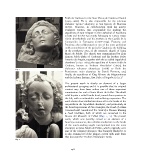
Fig. 1 alabaster reliquary altarpieces (1668) to flank the
                                                               Renaissance main altarpiece by Damià Forment; and,
                                                               finally, the sepulchres of King Alfonso the Magnanimous
                                                               and the Infante Enrique, first Duke of Sogorbe (1671).1

                                                               The present work is clearly an element of a larger
                                                               architectural grouping and it is possible that its original
                                                               context may have been within one of these important
                                                               commissions for and at Santa María de Poblet. The shield
                                                               relief depicts a veiled female head, turned three-quarters to
                                                               the left, with a melancholic and suffering expression. The
                                                               work shares close similarities above all to the heads of the
                                                               caryatides in the ‘sepulchral chambers’, and particularly in
                                                               the facial expressions of two examples, the Head of a Man
                                                               Crowned with Laurels and the Head of a Woman Wearing
                                                               a Pearl Necklace, both of which are conserved in the
                                                               Museu del Monestir at Poblet (Figs. 1, 2). The present
                                                               work, which was possibly carved as an element of a
                                                               funerary monument, also exhibits similarities to the heads
                                                               of the music-making angels incorporated into the main
                                                               altarpiece at Santa María de Poblet, which originally were
                                                               part of the reliquary altarpiece that formerly flanked it. It
                                                               is also reminiscent of the plaques carved with male busts
                                                               that decorate the ‘Prohom Vinculador’ tomb.

Fig. 2

                                                                      248

