


Page 50 - Joseph Wright of Derby: Virgils's Tomb & The Grand Tour.
P. 50
© COURTAULD IMAGES -THEWITT LIBRARY

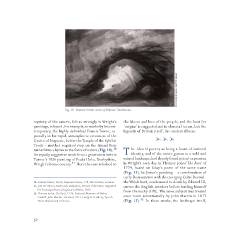
    Fig. 10. FRANCIS TOWNE: Grotto of Neptune.Tate Britain.

mystery of the cavern, felt so strongly in Wright’s                     the labour and lore of the people, and the hunt for
paintings, is found, for example, in works by his con-                  ‘origins’ is suggested not in classical terms, but the
temporary, the highly individual Francis Towne, es-                     legends of Britain itself, the ancient Albion.
pecially in his rapid, atmospheric evocation of the
Grotto of Neptune, below the Temple of the Sybil at                                      lll
Tivoli - another required stop on the Grand Tour
turned into a hymn to the force of nature (Fig. 10).30                  T he idea of poetry as being a fount of national
An equally suggestive work from a generation later is                        identity, and of the native genius in a wild and
Turner’s 1826 painting of Peaks Hole, Derbyshire,                       ruined landscape, had already found potent expression
Wright’s home county.31 Here the cave is linked to                      in Wright’s own day in Thomas Jones’The Bard of
                                                                        1774, based on Gray’s poem of the same name
30. Francis Towne,Tivoli, Neptune’s Grotto, 178,Tate Britain, London.   (Fig. 11). In Jones’s painting – a combination of
31. J.M.W.Turner, Peaks Hole, Derbyshire, Private Collection. Engraved  early Romanticism with the emerging Celtic Revival -
                                                                        the Welsh bard, condemned to death by Edward III,
   for PicturesqueViews of England andWales, 1826.                      curses the English invaders before hurling himself
32. Thomas Jones, The Bard ,1774, National Museum of Wales,             from the rocky cliffs. The same subject was treated
                                                                        even more sensationally by John Martin in 1817
   Cardiff; John Martin, The Bard, 1817, Laing Art Gallery,Tyne &       (Fig. 12).32 In these works, the landscape itself,
   Wear Museums & Archives.

50

