


Page 27 - James Ward - A Lioness with a Heron
P. 27
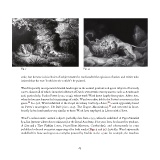
Fig. 5      Fig. 5a

scale, but because in his choice of subject matter he confounded the opinions of artists and critics who
insisted that the vast Yorkshire site couldn’t be painted.

Ward frequently incorporated detailed landscapes in the animal portraits and genre subjects of his early
career, almost all of which show the influence of Dutch seventeenth century masters such as Rembrandt
and, particularly, Paulus Potter (1625-1654), whose work Ward knew largely from prints. After 1800,
when he became famous for his paintings of cattle, Ward was often held to be Potter’s successor in this
genre.31 In 1798, Ward exhibited at the Royal Academy Cattle by a River,32 a work apparently based
on Potter’s masterpiece, The Bull (circa 1647, The Hague, Mauritshuis),33 and executed in loose,
heavily laden brushstrokes very similar to those Ward later employed in Lioness with a Heron.

Ward’s earliest exotic animal subjects probably date from 1793, when he exhibited A Tiger Disturbed
by a Lion (present whereabouts unknown) at the Royal Academy. Five years later, he showed its pendant,
A Lion and a Tiger Fighting (1797, Fitzwilliam Museum, Cambridge), and subsequently in 1799
published coloured mezzotint engravings after both works (Figs. 5 and 5a). Initially, Ward apparently
modelled his lions and tigers on examples painted by Stubbs in the 1770s: for example, the Gordian

        25

