


Page 29 - James Ward - A Lioness with a Heron
P. 29
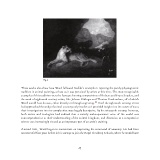
Fig. 6

These works also show how Ward followed Stubbs’s example in rejecting the purely physiognomic
tradition in animal painting, at least as it was perceived by artists at this time. The most recognisable
examples of this tradition were the baroque hunting compositions of Rubens and Frans Snyders, and
the work of eighteenth century artists, like Johann Ridinger and Thomas Rowlandson, all of which
Ward would have known, either directly or through engraving.37 Until the eighteenth century, artists
had approached the study of animal anatomy only insofar as it provided insight into the nature of man;
their investigations into its complexities were largely descriptive. By the nineteenth century, however,
both artists and zoologists had realised that a strictly anthropocentric view of the world was
counterproductive to their understanding of the animal kingdom, and dissection as a comparative
science was increasingly viewed as an important part of an artist’s training.

Around 1801, Ward began to concentrate on improving his command of anatomy. He had been
unsuccessful four years before in his attempt to join the Royal Academy Schools, where he would have

                                                  27

