


Page 205 - The mystery of faith
P. 205
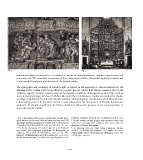
Fig. 4                                                                  Fig. 5

        general workshop participation, as required of works of such dimensions, complex organization and
        economic risk. The successful completion of these large-scale retablos demanded significant capital and
        a teamwork of sculptors and artisans of the highest calibre.

        The syncretism and evolution of Giralte’s style is evident in his approach to characterization in The
        Meeting at the Golden Gate. In an effort to renovate his art, Giralte had always remained alert to the
        enduring appeal of earlier masters, such as Berruguete, as well as contemporaries and rivals, such as
        Juan de Juni and Diego de Siloé. Truth be told, under the circumstances, Giralte was spoiled for choice,
        working as he did side by side with the best sculptors of the kingdom. Giralte knew all of them and was
        influenced by several. If, therefore, Giralte is now relegated to the ‘second tier’ of Spanish Renaissance
        sculptors, he should nevertheless be firmly placed just below the greatest of his contemporaries in
        sixteenth-century Castile.

        1 For a discussion of the sources of the name Giralte and a     escultura española’, in Goya, no. 75, Madrid 1966, p. 108.
        good analysis of the work of both father and son, see J. M
        AZCÁRATE RISTORI, Escultura en el siglo XVI, Colección Ars      3 Giralte worked on this project with Inocencio Berro and
        Hispaniae, Plus Ultra, Madrid 1958, vol. XIII, pp. 187–191.     Pedro Frias amongst other sculptors who were under the
                                                                        direction of Alonso Berruguete.
        2 For further discussion of Giralte’s style see J. M. PARRADO
        DEL OLMO, Los escultores seguidores de Berruguete en            4 A. MARTÍN ORTEGA, ‘Más sobre Francisco Giralte,
        Palencia, Universidad de Valladolid, 1981, p.163. The           escultor’, in Boletín del Seminario de Estudios de Arte y
        influence of Michelangelo was felt in Spain after 1550; see J.  Arqueología: BSAA, Universidad de Valladolid, 1961, vol.
        M. AZCÁRATE RISTORI, ‘La influencia miguelangelesca en la       XXVII, pp. 123–130.

        205

