


Page 237 - The mystery of faith
P. 237
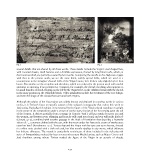
Fig. 3       Fig. 4

several details that are shared by all these works. These details include the Virgin’s oval-shaped face,
with rounded cheeks, small features and a childlike expression, framed by long blond curls, which, in
the furniture relief, are partially covered by her mantle. Comparing the mantle in the Flight into Egypt
with that in the present work, we see the same thick, widely spread folds, which are used as a
counterpoint to the straighter channel folds of the Virgin’s tunic, here broken only slightly by her bent
knees. Also similar are the seraphim and cherubim, which are rendered in the present work with careful
attention to anatomy, if not perspective. Compare, for example, the cherub clutching what appears to
be small bunches of cloud, floating on the left by the Virgin’s feet, in the exhibited work with the cherub
in the same position in the Valladolid work. Other similarities include the treatment of the tree foliage,
and even the shape of the clouds that surround both Virgins.

Although the subject of the Tota Pulcra was widely known and depicted in countless works in various
media, it is Torices’s focus on specific aspects of the subject’s iconography that makes this work so
fascinating. Basically, this subject is represented by the figure of the Virgin placed standing or upright
in the centre of the composition under a crown of twelve stars, the tips of her feet resting upon the tail
of the Serpent. It derives partially from a passage in Genesis: ‘And I will put enmity between you and
the woman, and between your offspring and hers; he will crush your head, and you will strike his heel’
(Genesis 3:15), combined with another passage in the Book of Revelation that describes a heavenly
vision of: ‘... a woman clothed with the sun, with the moon under her feet and a crown of twelve stars
upon her head’ (Revelations 12:1). Torices depicted the Virgin with her eyes cast up to heaven, dressed
in a white tunic cinched with a dark red sash, her blue mantle rippling in airy waves, which delineate
her delicate silhouette. The mantle is particularly reminiscent of those included in the rich pictorial
series of Inmaculadas produced by later seventeenth-century Madrid artists, such as Mateo Cerezo and
José Antolinez among others. Torices nestled the figure of the Virgin in an aureole of clouds,

        237

