


Page 242 - The mystery of faith
P. 242
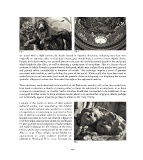
Fig. 1                                                  Fig. 2

are posed with a slight torsion, the heads rotated in opposite directions, indicating that they were
originally on opposite sides, so that their intense gaze would share a common focus slightly above.
Despite their dark tonality, one can still discern in the eyes the carefully painted details of iris and pupil,
which heightens this effect, as well as showing a strong sense of naturalism. This is a feature that is
exclusive to Michel’s work in painted wood. Both putti, which were sculpted from poplar, were gessoed
and painted white, undoubtedly in imitation of marble. This technique imparts a sense of gravitas
associated with marble, as well as hiding the grain of the wood. White could also have been used to
symbolize purity and innocence (and mask the genitals of the nude figures), not forgetting the intense
symbolic–allegorical culture that flourished throughout the eighteenth century.

Their attributes, easily identified as the symbols of the Eucharistic sacrifice, tell us that they would have
been made to decorate a church or oratory, either to frame the tabernacle in an altarpiece, or to flank
or support a monstrance, or crucifix. Such a location would also correspond to the lavish use of 24-
carat gold leaf that serves to focus attention on the wheat ears and bunches of grapes, which, perhaps
not incidentally, appear tripartite, perhaps to allude to the Holy Trinity.

Looking at the works in terms of their evident
technical quality, and remembering that Michel
was a versatile sculptor who worked in a variety
of materials, it is interesting to note that his first
test of skill as a sculptor when he arrived at the
Spanish court was to carve out of wood a figure of
God the Father. Also his first works for Ferdinand
IV were painted wood sculptures of Saint Barbara
and Saint Ferdinand for the Oratory of the Buen
Retiro, which were commissioned by the Duke of
Alba in 1756. These effigies earned Michel his
appointment as court sculptor (escultor de
cámera) to Ferdinand IV in 1757. Amongst the

                                                        Fig. 3

        242

