


Page 28 - Jacques Blanchard - Myth and Allegory
P. 28
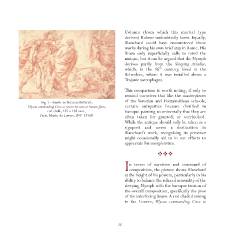
Fig. 3 - Attrib. to NICOLAS PRÉVOST,                 Column (from which this martial type
Ulysses commanding Circe to return his men to human form,      derives) Rubens undoubtedly knew. Equally,
                                                               Blanchard could have encountered these
              red chalk, 135 x 185 mm.,                        works during his own brief stay in Rome. His
         Paris, Musée du Louvre, INV 23768.                    Bravo only superficially calls to mind the
                                                               antique, but it can be argued that the Nymph
                                                               derives partly from the Sleeping Ariadne,
                                                               which, in the 16th century, lived in the
                                                               Belvedere, where it was installed above a
                                                               Trajanic sarcophagus.

                                                               This comparison is worth noting, if only to
                                                               remind ourselves that like the masterpieces
                                                               of the Venetian and Fontainebleau schools,
                                                               certain antiquities became distilled in
                                                               baroque painting so universally that they are
                                                               often taken for granted, or overlooked.
                                                               While the antique should only be taken as a
                                                               signpost and never a destination in
                                                               Blanchard’s work, recognising its presence
                                                               might occasionally aid us in our efforts to
                                                               appreciate his complexities.

                                                                         eee

                                                               In terms of narrative and command of
                                                                 composition, the picture shows Blanchard
                                                               at the height of his powers, particularly in his
                                                               ability to balance the relaxed sensuality of the
                                                               sleeping Nymph with the baroque tension of
                                                               the overall composition, specifically the pose
                                                               of the interfering Bravo. A red chalk drawing
                                                               in the Louvre, Ulysses commanding Circe to

                                                           28

