


Page 29 - Jacques Blanchard - Myth and Allegory
P. 29
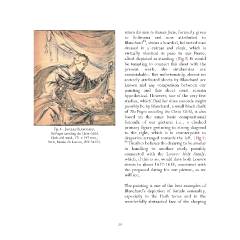
Fig. 4 - JACQUES BLANCHARD,             return his men to human form, formerly given
 TheVirgin unveiling the Christ Child,      to Solimena and now attributed to
  black and wash, 171 x 147 mm.,            Blanchard44, shows a bearded, helmeted man
Paris, Musée du Louvre, INV 34153.          dressed in a cuirass and cloak, which is
                                            virtually identical in pose to our Bravo,
                                            albeit depicted as standing. (Fig.3) It would
                                            be tempting to connect this sheet with the
                                            present work; the similarities are
                                            unmistakable. But unfortunately, almost no
                                            securely attributed sheets by Blanchard are
                                            known and any comparison between our
                                            painting and this sheet must remain
                                            hypothetical. However, one of the very few
                                            studies, which Thuillier does concede might
                                            possibly be by Blanchard, a small black chalk
                                            of The Virgin unveiling the Christ Child, is also
                                            based on the same basic compositional
                                            formula of our picture: i.e., a cloaked
                                            primary figure gesturing in strong diagonal
                                            to the right, which is in counterpoint to
                                            draperies arranged towards the left. (Fig.4)
                                            45Thuillier believes the drawing to be similar
                                            in handling to another study possibly
                                            connected with the Louvre Holy Family,
                                            which, if this is so, would date both Louvre
                                            sheets to about 1637-1638, consistent with
                                            the proposed dating for our picture, as we
                                            will see.

                                            The painting is one of the best examples of
                                            Blanchard’s depiction of female sensuality,
                                            especially in the flesh tones and in the
                                            wonderfully abstracted face of the sleeping

                                        29

