


Page 32 - Vision & Ecstasy - Giovanni Benedetto Castiglione's St. Francis.
P. 32
had shown a cheerful St Francis giving his cloak to a

                                                           beggar, or charmingly preaching to the birds; now he

                                                           is penitential, ravaged by his ascetic experiences, and

                                                           swooning with ecstatic love of Christ. At the very

                                                           centre of Franciscan devotions were the Cross and

                                                           Passion of Christ, for it was‘the exceeding ardour of

                                                           his love’ for the suffering Christ,‘whom he laid, as a

                                                           bundle of myrrh, on his heart’ that drew Francis to

                                                           Him.2 He followed Christ in all things, and St

                                                           Bonaventure’s life of the saint, which became in this

                                                           period a favourite early source, instilled the notion

                                                           of St Francis as another Christ, ‘alter Christus’.

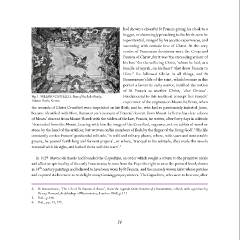
Fig. 1. VALERIO CASTELLO, Fame of the Balbi Family,        Fundamental to this medieval concept lies Francis’
Palazzo Reale, Genoa                                       experience of the stigmata on Mount LaVerna, when

the wounds of Christ Crucified were imprinted on his flesh, and he, who had so passionately imitated Jesus,

became identified with Him. Bonaventure’s account of Francis’ descent from Mount LaVerna has clear echoes

of Moses’ descent from Mount Horeb with the tablets of the law; Francis, he writes, after forty days in solitude

‘descended from the Mount, bearing with him the image of the Crucified, engraven, not on tablets of wood or

stone by the hand of the artificer, but written on his members of flesh by the finger of the living God’.3 His life

constantly evokes Francis’ penitential solitude, ‘in wild and solitary places, where, with tears and unutterable

groans, he poured forth long and fervent prayers’, or where, ‘tranquil in his solitude, (he) made the woods

resound with his sighs, and bathed them with his tears’.4

   In 1529 Matteo da Bascio had founded the Capuchins, an order which sought a return to the primitive ideals

and affective spirituality of the early Franciscans; he won from the Pope the right to wear the pointed hood, shown
in 14th century paintings and believed to have been worn by St Francis, and the coarsely woven habit whose patches

and exposed stiches were so to delight many Caravaggesque painters. The Capuchins, who were to become, after

2. St Bonaventure, ‘The Life of St Francis of Assisi’, from the Legenda Santi Francisci of S.Bonaventure, edited, with a preface by
     Henry Howard,Archbishop ofWestminster, London 1868, p.111

3. Ibid., p.166.
4. Ibid., pp. 14, 125.

                                                     34

