


Page 220 - The mystery of faith
P. 220
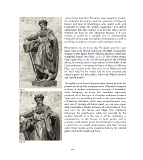
Fig. 2a  1606, twenty days after Fernández was engaged to produce
Fig. 2b  the sculptural decoration, with the assistance of Diego de
         Basoco and Juan de Muniátegui, who would work with
         Fernández to ensure the work’s completion.5 It is indeed
         unfortunate that this contract is in fact the only concrete
         evidence we have for this altarpiece because, if it now
         existed, it would be a valuable key to understanding
         Fernández’ chronology and stylistic development, as well as
         providing examples to compare with attributed works.

         Nevertheless, we do know that Fernández used the same
         figure types as the present sculptures, with slight iconographic
         changes, in two figures for the Villaveta altarpiece, which was
         completed around 1610 (Figs. 1a, b, c).6 One of these works,
         King David (Figs. 2a, b), is in the same pose as the exhibited
         Moses, but resting upon a harp instead of the tablets of the
         Commandments. Conversely, the figure of Moses in Villaveta
         (Figs. 3a, b) stands in the same pose as our Elijah, but with
         the head veiled by his mantle and his arms extended and
         raised to gather the holy tablets, rather than Elijah’s bunched
         and twisted mantle.7

         The stylistic and formal characteristics shared by both the
         present works and the sculptures from Villaveta correspond
         to those in written contemporary accounts of Fernández’
         work. Moreover, we know that Fernández apparently
         produced all of this type of altarpiece sculptures between
         1606 and 1612 (excluding his work on the main altarpiece
         of Plasencia Cathedral, which was executed between 1625
         and 1632).8 Bearing all this in mind, we can now argue,
         with reasonable certainty, in favour of a date between 1610
         and 1612 for the Moses and Elijah here exhibited.
         Moreover, the polychrome, while not executed by the
         sculptor himself, as is the case in all his sculptures, is
         contemporary to the facture in both works, and is
         consistent with similar pieces from Fernández’ early period
         in which the use of gold predominates, with blue, red and
         ochre floral motifs, and is complemented by the pinkish
         glazes used in the hands and faces.

                 220

