


Page 18 - Luca Giordano - Liberation of St Peter
P. 18
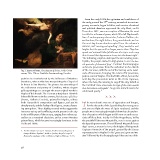
Fig. 3. JUSEPE DE RIBERA, The Liberation of St Peter, 1642. Oil on       From the early 1630s the optimism and confidence of
canvas, 176 x 226 cm. Staatliche Kunstsammlung, Dresden.               the early years of the 17th century, so marked in contem-
                                                                       porary accounts, began to falter, and a series of natural
position is overshadowed by the influence of Massimo                   and political disasters oppressed the city. First, on 16
Stanzione, who at this date was painting the Chapel of                 December 1631, came an eruption ofVesuvius, the most
St Bruno in San Martino. The picture has something of                  terrible for a thousand years, which filled all Naples with
the refinement and poetry of Cavallino, whose elegant                  fear. A contemporary chronicler, Antonio Bulifon, de-
gallery paintings are amongst the most original works in               scribes how, the night before, the ground shook, and on
Naples of this decade.The German artist Johann Heinrich                the next day dense clouds erupted from the volcano’s
Schœnfeld drew on similar sources; his Liberation of St Peter          summit, and ‘twisting and spiralling’, they ‘reached to such
(Rome, Galleria Corsini), painted in Naples, echoes                    heights that the eye could no longer percive them.They then
both Caracciolo’s composition and figures, and yet his                 spread and scattered little by little over the city in such a way
sketchy touch, and the frailty of the figures, create a haunt-         that it turned that day, serene as it was, into the densest night’.
ing atmosphere. These highly personal works suggest the                The following eruption destroyed the surrounding coun-
immense variety and conflicting trends present in the city             tryside; the people rushed to high places, to see‘the hor-
in the middle years of the century, ranging from robust nat-           rid spectacle of elemental fury’. Cardinal Buoncompagno
uralism to a restrained classicism, and to a more Venetian             ordered a procession from the cathedral to the church
painterliness, which became increasingly dominant in the               of the Carmine, with the aid of the Viceroy and a caval-
1650s and 1660s.                                                       cade of horsemen, bringing the relics of St Januarius,
                                                                       patron saint of Naples.This had little effect, but on the
9. For the Italian text see G. Galasso, ‘Dall’eruzione alla peste: il  next day the procession went to the Porta Capuana,
   tempo di Micco Spadaro’, in Micco Spadaro; Napoli ai tempi di       where the lava, threatening to engulf the city, halted as
   Masaniello, catalogue of the exhibition, Naples 2002, pp. 15-16.    the Cardinal ‘three times made the sign of the cross towards
                                                                       that horrendous earthquake’. So great a miracle was to be
                                                                       celebrated yearly.9

                                                                                            lll

                                                                       T he next decade was one of oppression and hunger,
                                                                            for the demands of the Spanish king for money, men
                                                                       and arms to fight the wars of Spain escalated, and the
                                                                       people were increasingly weighed down by a heavy bur-
                                                                       den of taxation which began to fall even on such neces-
                                                                       sities of life as fruit. In July 1647 the Neapolitans, led by
                                                                       the youthful fisherman Masaniello, rose in arms against
                                                                       the Spanish government.There followed Masaniello’s ten
                                                                       days’ career, a meteoric rise to the heights of being made
                                                                       Capitano Generale of the people, praised by the Tuscan
                                                                       representative in Naples for his ‘great soul, spirit and wis-
                                                                       dom’ followed by his dizzyingly rapid descent into oblo-

16

