


Page 46 - Vision & Ecstasy - Giovanni Benedetto Castiglione's St. Francis.
P. 46
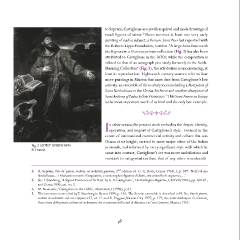
Fig. 2 ARTIST UNKNOWN  to Soprani, Castiglione as a youth acquired and made drawings of
St Francis.            small figures of saints.2 There survives at least one very early
                       painting of such a subject, a Penitent Saint Peter last reported with
                       the Roberto Lippo Foundation, London.3A large Saint Francis with
                       the Stigmata in a Genoese private collection (Fig. 2) has also been
                       attributed to Castiglione in the 1630s; while the composition is
                       related to that of an autograph pen study formerly in the Suida-
                       Manning Collection4 (Fig. 3), the attribution is unconvincing, at
                       least in reproduction. Eighteenth-century sources refer to four
                       more paintings in Mantua that must date from Castiglione’s late
                       activity: an ensemble of three altarpieces including a Martyrdom of
                       Saint Bartholomew in the Chiesa dei Servi and another altarpiece of
                       Saint Anthony of Padua in San Francesco.5 This Saint Francis in Ecstasy
                       is the most important work of its kind and the only late example.

                                          678

                       In other senses, the present work embodies the deeper identity,
                         operation, and import of Castiglione’s style. Formed in the
                       centre of international commercial activity and culture that was
                       Genoa at its height, carried to most major cities of the Italian
                       peninsula, and informed by every significant style with which he
                       came into contact, Castiglione’s art was more multifarious and
                       resistant to categorisation than that of any other seventeenth-

2. R. Soprani, Vite de’ pittori, scultori, ed architetti genovesi, 2nd edition ed. C. G. Ratti, Genoa 1768, I, p. 309: ‘Nell’età sua
     fanciullesca… Dilettavsi non solo d’acquistare, e contemplare figurine di Santi, ma eziandío di copiarne;…’

3. SeeT. Standring,‘A Signed Penitence of St Peter by G. B. Castiglione’, The Burlington Magazine, CXXVII (1985), pp. 160-61,
     and Genoa 1990, cat. no. 3.

4. M. Newcome,‘Castiglione in the 1630s’, Nuovi studi, I (1996), p. 61.
5. The two sources are cited byT. Standring in Genoa 1990, p. 146. The Servite ensemble is described in N. Pio, Vite di pittori,

     scultori et architetti: cod. ms. Capponi 257, ed. C. and R. Enggass,Vatican City 1977, p. 177, the Saint Anthony in G. Cadioli,
     Descrizione delle pitture, sculture ed architetture che si osservano nella città di Mantova e ne’ suoi Contorni, Mantua 1763.

                       48

