


Page 50 - Vision & Ecstasy - Giovanni Benedetto Castiglione's St. Francis.
P. 50
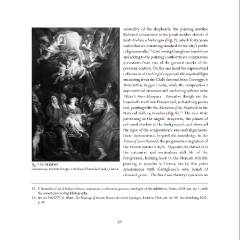
Fig. 7 P.P. RUBENS                                               sensuality of the shepherds, the painting invokes
Circumcision, Santi Ambrogio e Andrea (Chiesa del Gesù), Genoa.  Rubens’s Circumcision in the Jesuit mother church of
                                                                 Santi Andrea e Ambrogio (Fig. 7), which forty years
                                                                 earlier had set a daunting standard for the city’s public
                                                                 religious works.12 Confirming Castiglione’s ambition
                                                                 and adding to the painting’s authority are conspicuous
                                                                 quotations from two of the greatest works of the
                                                                 previous century. On the one hand the supernatural
                                                                 refinement of theVirgin’s type and the mystical light
                                                                 emanating from the Child descend from Correggio’s
                                                                 Notte still at Reggio Emilia, while the composition’s
                                                                 asymmetrical structure and anchoring column echo
                                                                 Titian’s Frari Altarpiece. Pervasive though are the
                                                                 lessons derived from Poussin and, as Standring points
                                                                 out, paintings like the Adoration of the Shepherds in the
                                                                 National Gallery, London (Fig. 8).13 The neo-Attic
                                                                 patterning in the angels’ draperies, the planes of
                                                                 coloured shadow in the background, and above all
                                                                 the rigor of the composition’s axes and alignments:
                                                                 these demonstrate, beyond the knowledge in the
                                                                 Vision of Saint Bernard, the progressive integration of
                                                                 the French master’s style. Opposite in character is
                                                                 the extensive and meticulous still life of the
                                                                 foreground, harking back to the Flemish still-life
                                                                 painting so popular in Genoa, but by that point
                                                                 synonymous with Castiglione’s own brand of
                                                                 elevated genre. The San Luca Nativity represents an

12. P. Boccardo, L’età di Rubens: Dimore, committenti e collezionisti genovesi, catalogue of the exhibition, Genoa 2004, cat. no. 1, with
     the essential preceding bibliography.

13. Inv. no. NG6277;A. Blunt, The Paintings of Nicolas Poussin:A Critical Catalogue, London 1966, cat. no. 40. See Standring 2002,
     p. 49.

52

