


Page 52 - Vision & Ecstasy - Giovanni Benedetto Castiglione's St. Francis.
P. 52
The stylistic elements were different but their

                                                                    operation similar in the one major public

                                                                    commission from Castiglione’s second Roman

                                                                    sojourn, 1647-51. Pietro da Cortona had been

                                                                    commissioned an altarpiece for the new Capuchin

                                                                    church at Osimo, in the heart of the Marches. When

                                                                    Cortona declined the commission, Cardinal

                                                                    Girolamo Verospi recommended Castiglione as an

                                                                    alternate. The work was completed in 1650 and

                                                                    displayed at the cardinal’s palace in Rome before

                                                                    being shipped to its far-flung destination (Fig. 10).17

                                                                    Its subject, the Immaculate Conception, expresses a

                                                                    long controversial tenet of the Order that had been

                                                                    upheld by the Council ofTrent: theVirgin’s freedom

                                                                    from original sin. Rendered in a strong daylight

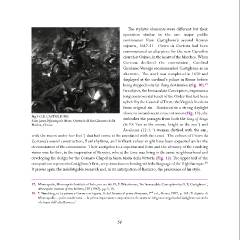
Fig.9 G.B. CASTIGLIONE                                              above an incandescent crescent moon (Fig. 11), she
Saint James Defeating the Moors, Oratorio di San Giacomo della      embodies the passages from both the Song of Songs
Marina, Genoa.                                                      (6:10: ‘fair as the moon, bright as the sun’) and

                                                                    Revelation (12:1: ‘a woman clothed with the sun,

with the moon under her feet’) that had come to be associated with the tenet. The echoes of Pietro da

Cortona’s sound construction, fluid rhythms, and brilliant colour might have been expected under the

circumstances of the commission. Their ascription to a supernatural form and the vibrancy of the resulting

vision owe further, to the inspiration of Bernini, who at the time was living in the same neighbourhood and

developing the design for the Cornaro Chapel in Santa Maria della Vittoria (Fig. 12).The upper half of the

composition represents Castiglione’s first, very conscious reckoning with the language of the High Baroque.18

It proves again the indefatigable research and, in its anticipation of Baciccio, the prescience of his style.

17. Minneapolis, Minneapolis Institute of Arts, inv. no. 66.39; E.Waterhouse,‘An Immaculate Conception by G. B. Castiglione’,

     Minneapolis Institute of Arts Bulletin, LVI (1967), pp. 5-10.
18. T. Standring, in La pittura a Genova e in Liguria, II: dal Seicento al primo Novecento, 2nd ed., Genoa 1987, p. 164: ‘Il dipinto di

     Minneapolis… può considerarsi… la prima importante composizione di carattere religioso eseguita da Castiglione secondo

     i dettami dell’alto Barocco.’

                                                                54

