


Page 15 - Jacobello del Fiore - His Oeuvre and a Sumptuous Crucifixion
P. 15
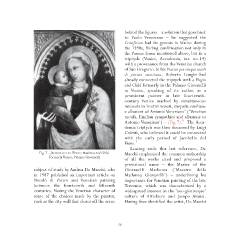
Fig. 7 - JACOBELLO DEL FIORE: Madonna and Child,      behind the figures – a solution that goes back
           Formerly Venice, Palazzo Giovanelli            to Paolo Veneziano – he suggested the
                                                          Crucifixion had its genesis in Venice during
subject of study by Andrea De Marchi, who                 the 1390s, finding confirmation not only in
in 1987 published an important article on                 the Passion Scenes mentioned above, but in a
Nicolò di Pietro and Venetian painting                    triptych (Venice, Accademia, inv. no. 14)
between the fourteenth and fifteenth                      with a provenance from the Venetian church
centuries. Noting the Venetian character of               of San Gregorio. In his Viatico per cinque secoli
some of the choices made by the painter,                  di pittura veneziana, Roberto Longhi had
such as the city wall that closes off the scene           already connected the triptych with a Virgin
                                                          and Child formerly in the Palazzo Giovanelli
                                                          in Venice, speaking of its author as a
                                                          prominent painter in late fourteenth-
                                                          century Venice marked by simultaneous
                                                          interests in ‘motivi veneti, simpatie emiliane
                                                          e allusioni ad Antonio Veneziano’ (‘Venetian
                                                          motifs, Emilian sympathies and allusions to
                                                          Antonio Veneziano’) - ( Fig. 7).8 The Acca-
                                                          demia triptych was then discussed by Luigi
                                                          Coletti, who believed it could be connected
                                                          with the early period of Jacobello del
                                                          Fiore.9

                                                             Leaving aside this last reference, De
                                                          Marchi emphasised the common authorship
                                                          of all the works cited and proposed a
                                                          provisional name – the Master of the
                                                          Giovanelli Madonna (‘Maestro della
                                                          Madonna Giovanelli’) – underlining his
                                                          importance for Venetian painting of the late
                                                          Trecento, which was characterized by a
                                                          widespread interest in the ‘neo-giottesque’
                                                          culture of Altichiero and Jacopo Avanzi.
                                                          Having thus identified the artist, De Marchi

                                                      16

